Table of Contents
- Printable Paper Weight Comparison Chart
- Fillable Online - Fax Email Print - pdfFiller
- EchoData | Thinking in Dimensional Weight
- USPS 2019 Dimensional Shipping & Weight Video | Ebay & AmazonFBA ...
- Usps Shipping Rates By Weight Chart 2024 - Kiri Serene
- Us Postal Weight Chart 2024
- Weight Conversion Chart
- postal weight | Postal scale, Postal, Digital
- Quantity: 1 Piece Package Size: 20.0 * 30.0 * 40.0 ( cm ) Gross Weight ...
- Postage Stamp Weight Chart: A Visual Reference of Charts | Chart Master
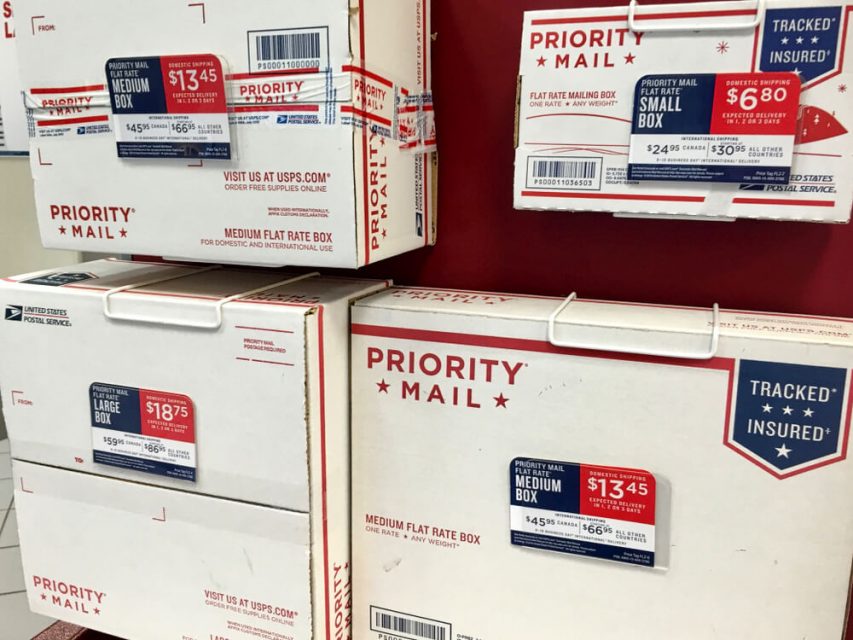


Why is Calculating Weights Important?


Methods of Calculating Weights
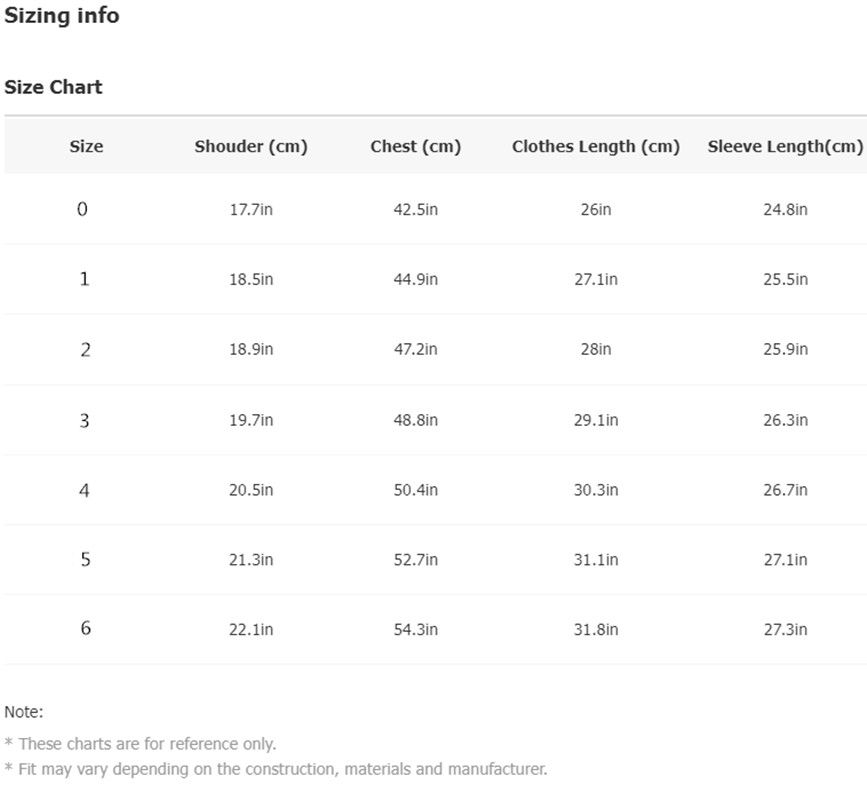
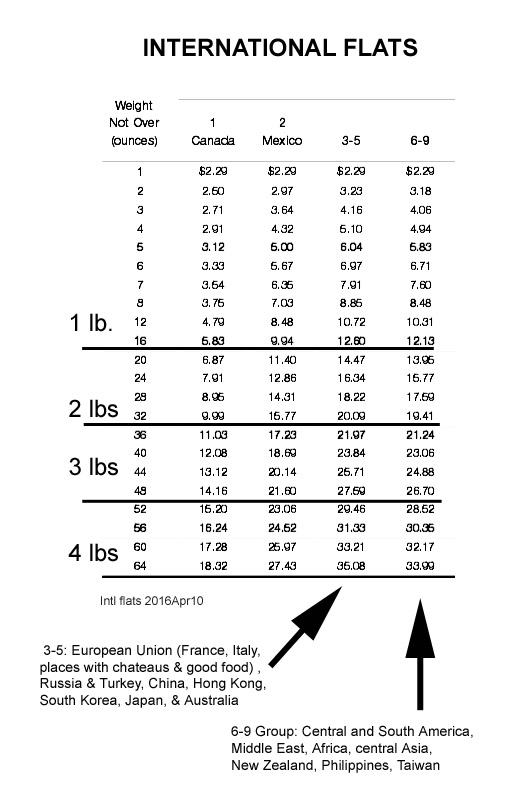
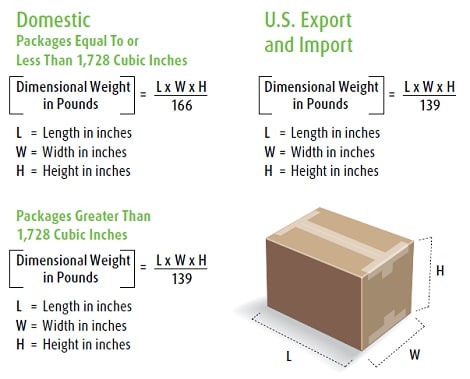
Applications of Weight Calculations
Weight calculations have numerous applications across various industries. Some examples include: Construction: Weight calculations are used to determine the structural integrity of buildings, bridges, and other infrastructure projects. Logistics: Weight calculations are used to optimize cargo planning, reduce transportation costs, and increase delivery speed. Engineering: Weight calculations are used to design and develop new products, systems, and technologies. Manufacturing: Weight calculations are used to optimize production processes, reduce waste, and improve product quality.
Tools and Technologies for Calculating Weights
With the advancement of technology, calculating weights has become more efficient and accurate. Some common tools and technologies used for weight calculations include: Weight Calculation Software: Specialized software programs that can calculate weights based on various input parameters. Load Cells: Electronic devices that measure weight and convert it into an electrical signal. Weight Scales: Mechanical or digital devices that measure weight and display the result. Calculating weights is a critical aspect of various industries, ensuring safety, efficiency, and cost-effectiveness. By understanding the importance of weight calculations and using the right methods, tools, and technologies, companies can optimize their resources, reduce waste, and improve productivity. Whether you're a construction engineer, a logistics manager, or a manufacturing specialist, accurate weight calculations are essential for success in your field.By following the guidelines outlined in this article, you can improve your weight calculation skills and make informed decisions in your industry. Remember, accurate weight calculations are just the beginning – they can lead to increased efficiency, reduced costs, and improved safety in the long run.